What Can PubMed.ai Do forClinical Practitioners?
PubMed.ai helps clinical practitioners—including physicians, surgeons, and nurses--efficiently access and review open-access biomedical literature for academic, research, and continuing education purposes.
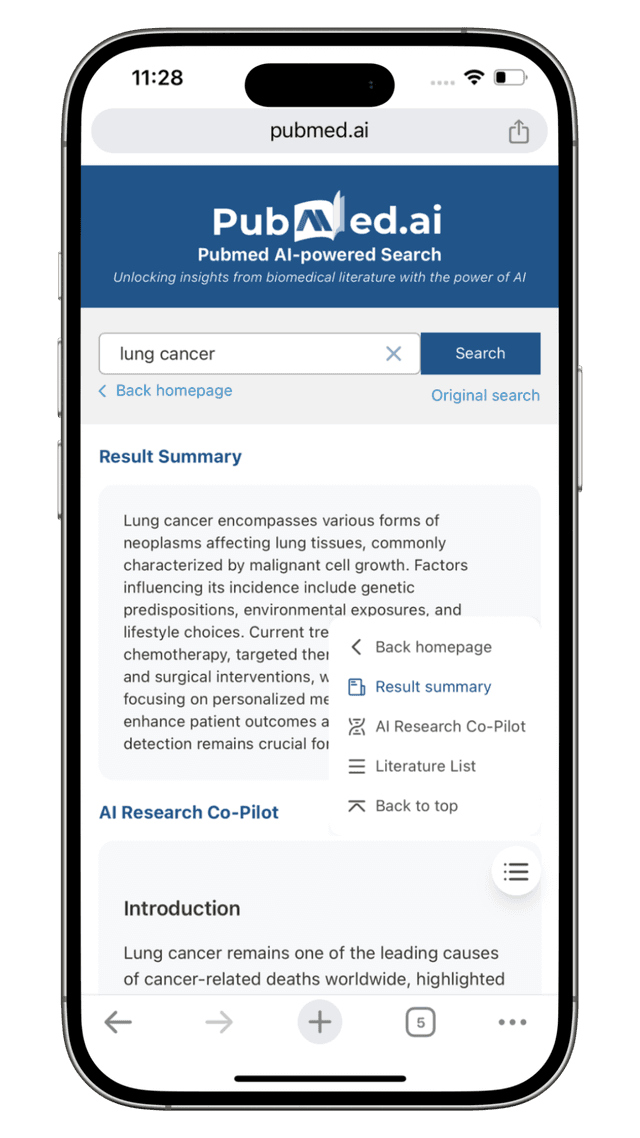
It provides AI-generated research summaries, interactive literature Q&A, and structured research reports, helping users stay up to date with the latest studies and supporting evidence-based academic reference for clinical knowledge.
Note: PubMed.ai is not a clinical decision support system and does not provide medical advice, diagnosis, or treatment recommendations.
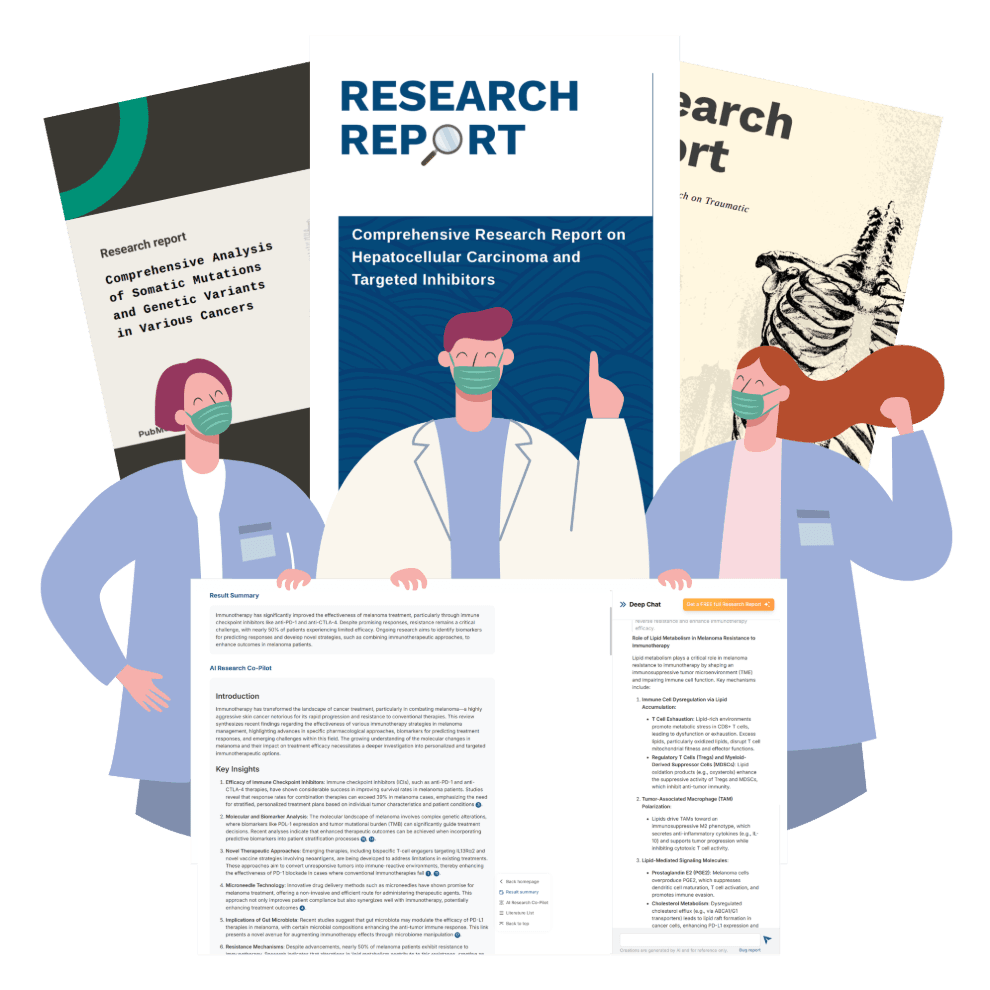
Your Research. Well Organized.
Efficient Access to Evidence-Based Literature
Keeping up with the latest biomedical research can be time-consuming. PubMed.ai simplifies this by delivering concise AI-generated summaries of relevant open-access research articles, helping clinicians efficiently review evidence for academic and research purposes.
Supports Academic and Research Understanding
With intelligent literature search, keyword optimization, and instant access to the latest open-access publications, PubMed.ai helps healthcare professionals stay informed for research, guideline review, and continuing medical education.
Interactive Literature Exploration
PubMed.ai's Deep Chat allows users to interact with research papers—ask questions, extract core findings, and receive focused explanations—supporting efficient literature review without compromising research depth.
Efficient Literature Review with PubMed.ai

Smart Summaries for Biomedical Research

Deep Chat for Study Q&A

Automated Research Reports
Medical Researchers, PhDs & Students Trust PubMed.ai
"I rely on PubMed.ai to stay up-to-date with emerging medical research. Its summaries and instant citation support save me hours each week and help me efficiently review literature for academic and research purposes."
Dr. Angela Ruiz
Researcher, Emergency Medicine, Barcelona
"PubMed.ai is a valuable tool for reviewing studies. The Deep Chat feature lets me ask questions about research papers directly, improving my understanding and saving time in literature review."
Dr. Matthew Chen
Internal Medicine Research Resident, Toronto
"PubMed.ai has transformed how I review biomedical literature for research purposes. The AI-generated summaries highlight key study findings quickly, and the citation tools ensure my reports are well-organized and properly referenced."
Dr. Amina Khalid
Clinical Pharmacology Researcher, Buenos Aires
PubMed.ai Features for Clinicians (Research & Academic Use)
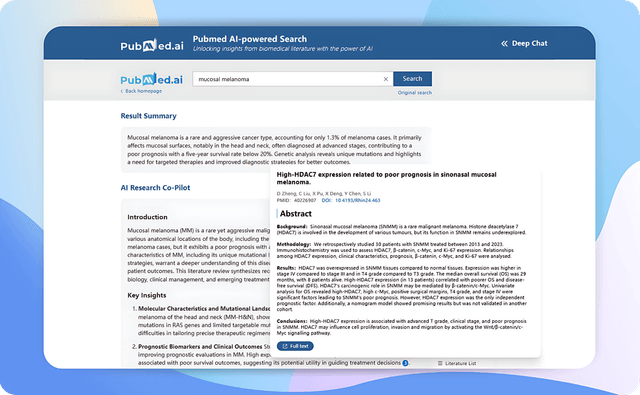
Research Summary
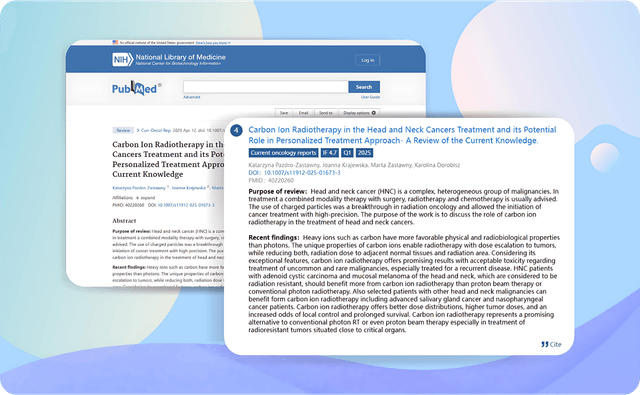
Literature List
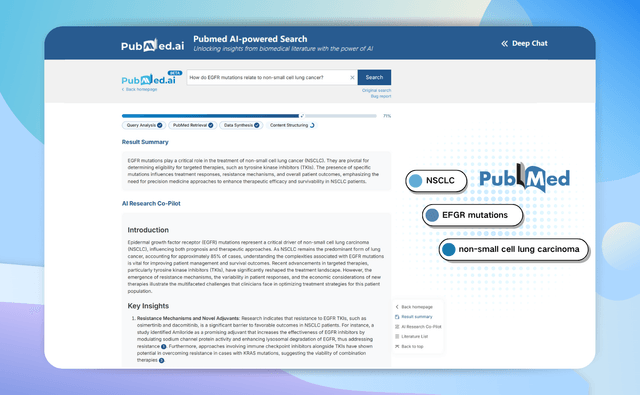
Research Co-Pilot
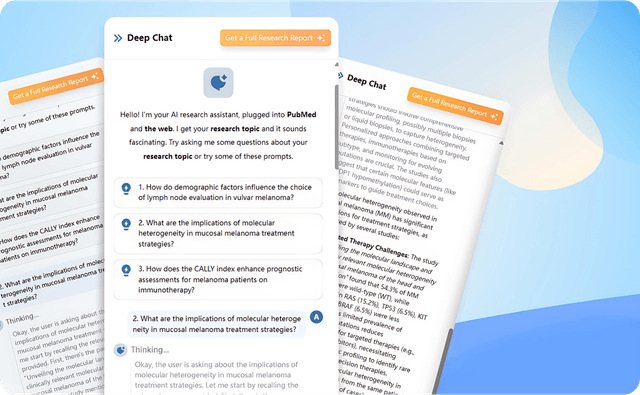
Deep Chat – Literature Q&A
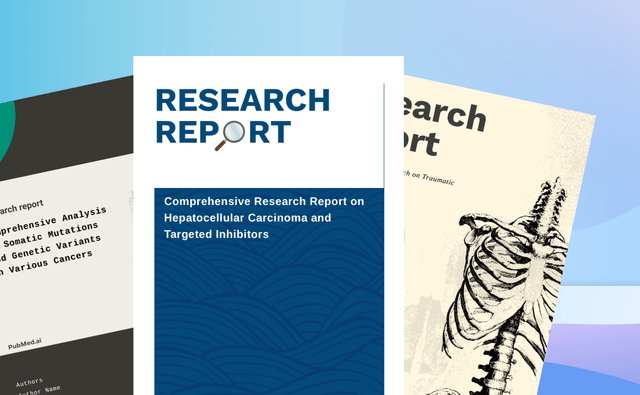
Search Report
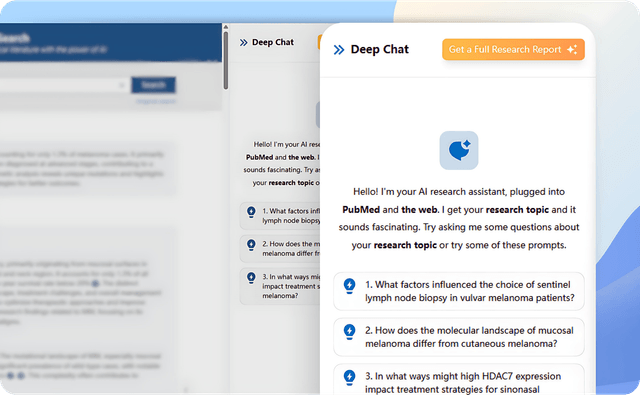
Deep Chat – Key Topic
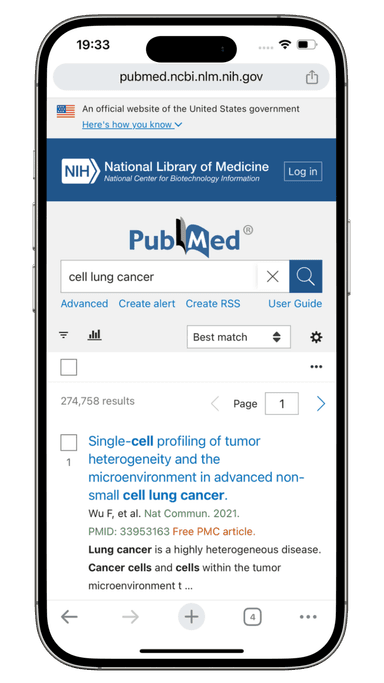
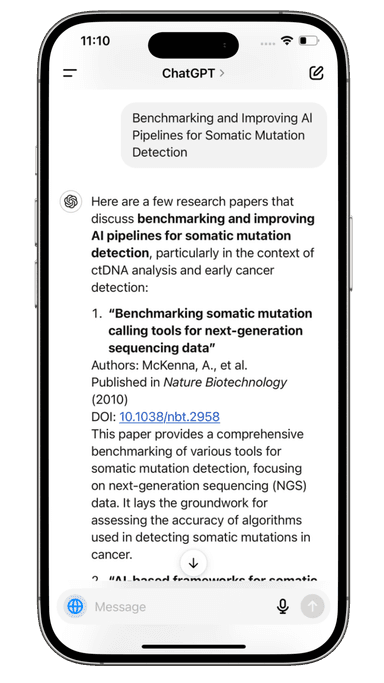
PubMed vs PubMed.ai vs ChatGPT